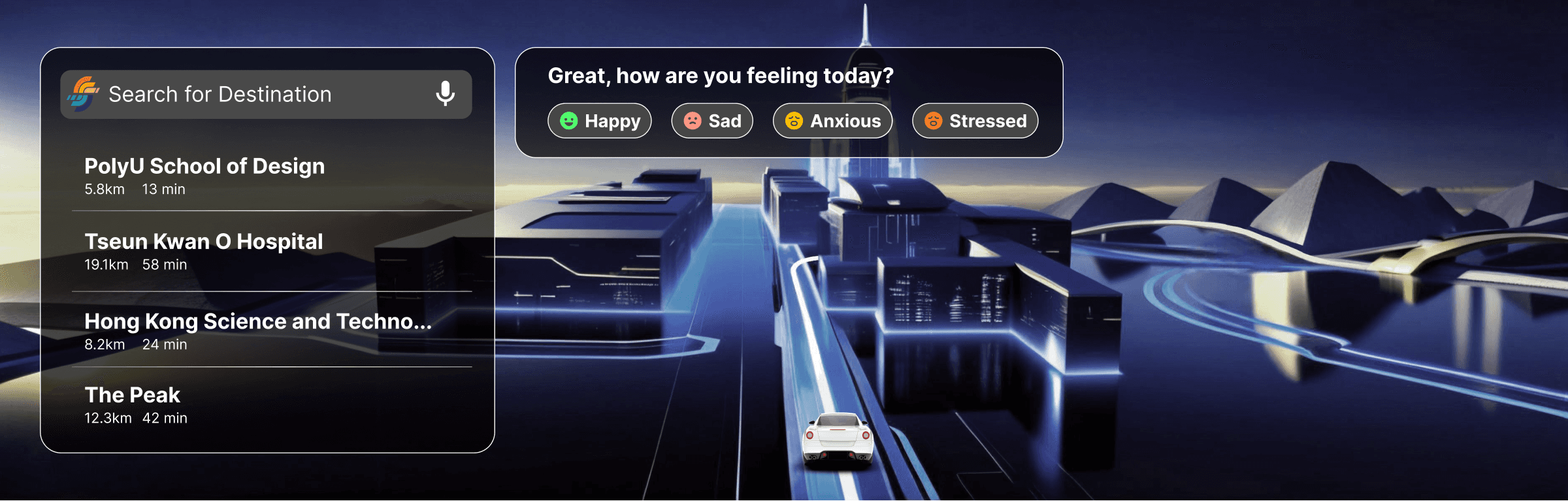
Empathetic AI Navigation System LLM for improving Driver Safety
A novel in-car navigation system for emotion-driven route planning using EXTERNAL TRAFFIC CUES
Executive Summary
Smart Mobility Roadmap for Hong Kong by the Hong Kong Transport department aims to improve DRIVER SAFETY by preventing accidents as it’s primary goal.
The Research Centre for Future ( Caring ) Mobility has developed a novel emotion-centric navigation system LLM that IMPROVES DRIVER SAFETY by preventing ROAD ACCIDENTS.
Project Goal
Solution
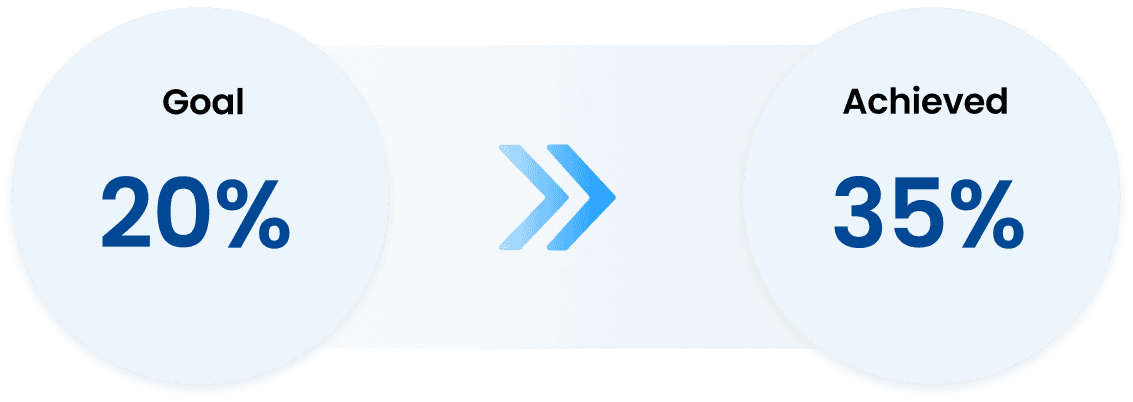
Goal : 20% reduction in road rage to prevent accidents.
Result : Achieved at 35%
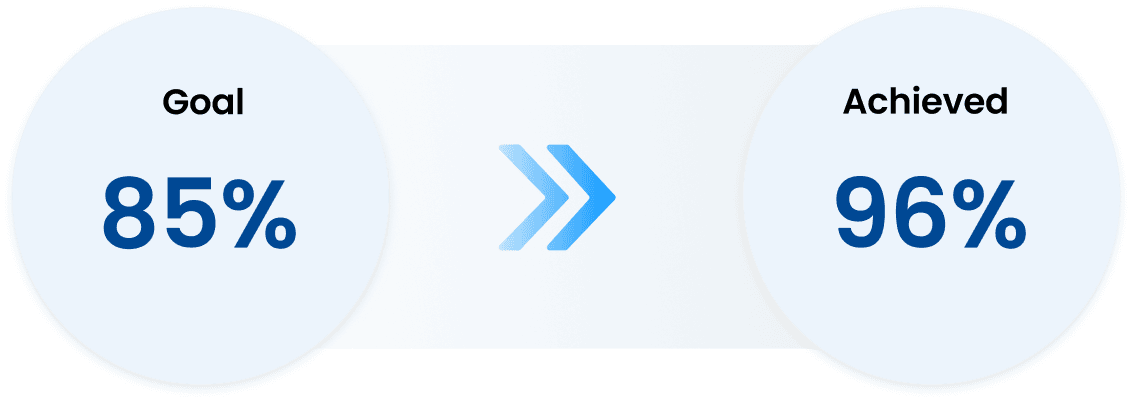
Goal : 85% accuracy of LLM model ( precision + recall )
Result : Achieved at 96%
KPI’s achieved
35%
96%
Road Rage Reduction
LLM model Accuracy - F1 Score
Role : Research and Strategy
Market Research & gaps
01
Drafting the research proposal & PRD
Identifying the market gaps
LLM Architecture
Design (Collaboration with AI Engineers)
Participant recruitment for LLM training
Designing the scenarios for the LLM (Large Language Model)
02
03
Commercialization & Product Lifecycle Strategy
Strategy for legal automotive requirements
3 year Product rollout & commercialization strategy
The Market Gap for empathetic ( emotion-centric) navigation
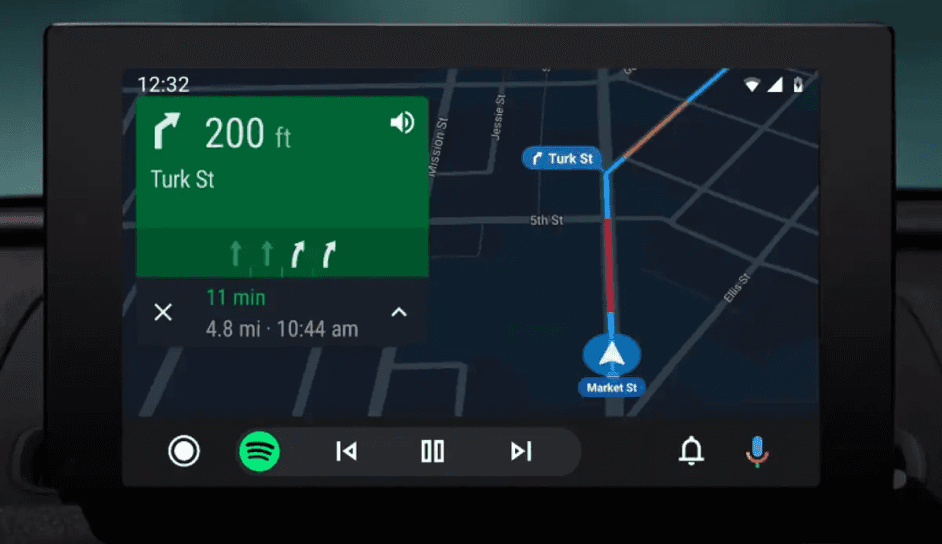
Traditional navigation systems that drivers use everyday prioritize efficiency (TIME / DISTANCE) but ignore the emotional toll of traffic contexts, which can lead to negative driving behaviors and accidents.
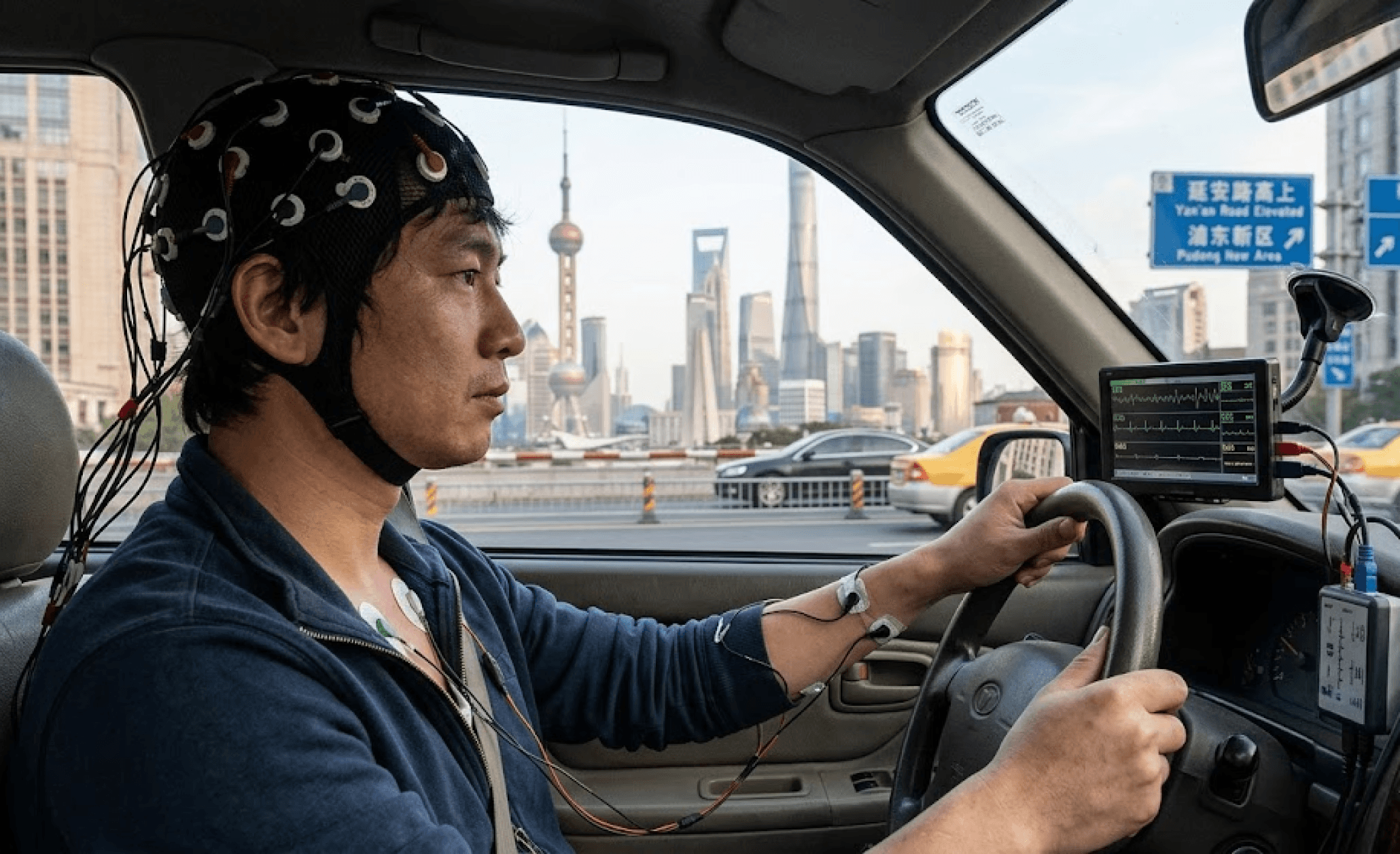
Current emotion-based experiments are too intrusive for real scenarios
Traditional commercialized products have no consideration for emotions
Current experiments use multiple sensors such as EEG, ECG, EMG and HRV combined with cameras which are considered TOO INTRUSIVE for the everyday driving scenarios. They are suitable only for simulations.
Market Research Finding - Road Accidents
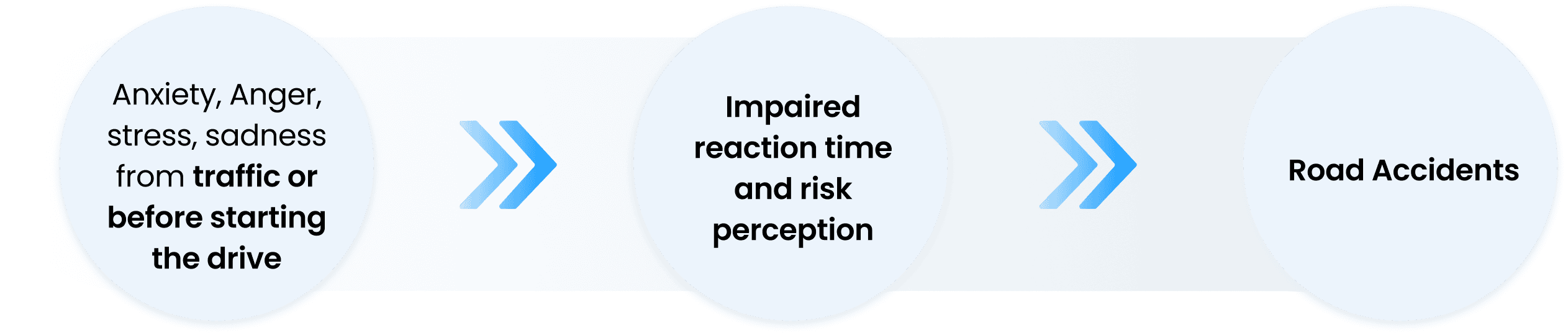
ANXIETY , ANGER , STRESS , SADNESS ∝ ROAD ACCIDENTS
Findings from in-depth literature reviews and qualitative interviews showed that certain emotions cause road rage which directly impair reaction time and risk perception, leading to accidents




01



The Market Gap for empathetic ( emotion-centric) navigation
Traditional navigation systems that drivers use everyday prioritize efficiency (TIME / DISTANCE) but ignore the emotional toll of traffic contexts, which can lead to negative driving behaviors and accidents.
Current emotion-based experiments are too intrusive for real scenarios
Traditional commercialized products have no consideration for emotions
Current experiments use multiple sensors such as EEG, ECG, EMG and HRV combined with cameras which are considered TOO INTRUSIVE for the everyday driving scenarios. They are suitable only for simulations.
02
Built a Non-Intrusive Empathetic Navigation System LLM
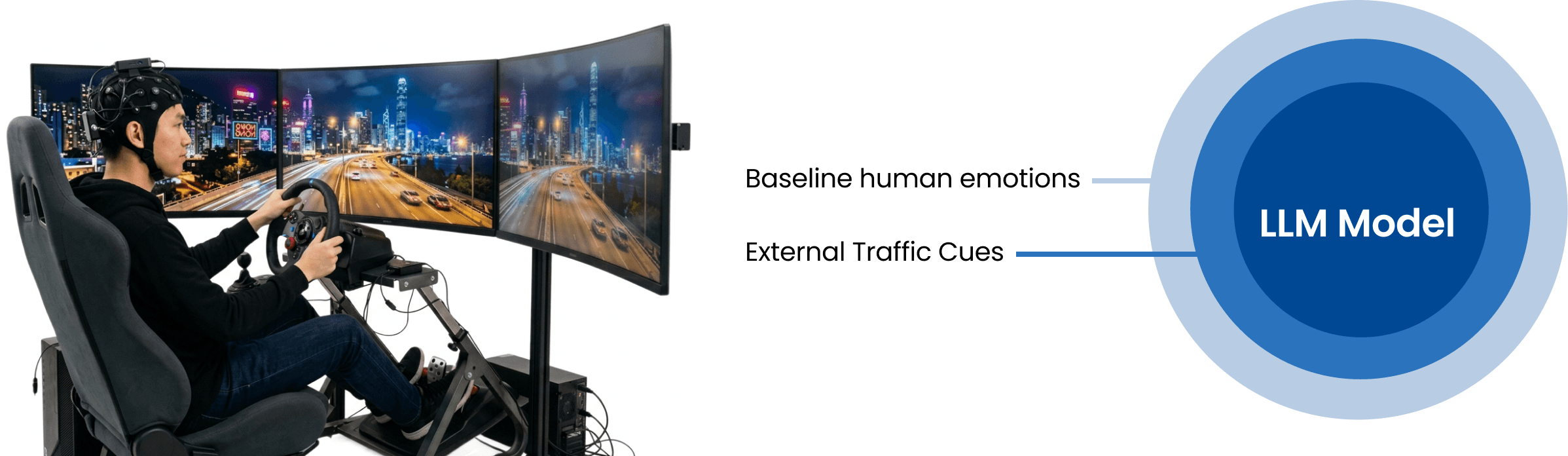
An EMOTION-CENTRIC NAVIGATION SYSTEM LLM model based on EXTERNAL TRAFFIC CUES to avoid an intrusive multi sensor real-life driving experience
How did we build and design the LLM?
Combination of driving through different traffic scenarios with different baseline emotions ( emotions before starting the drive ) on the simulator. This helped us find a neutral happy state for users.
Stressed
Anxious

Induced using standard emotion-inducing research methodologies
Sad
Angry
LLM Model


Shopping
Combinations
High Traffic combinations

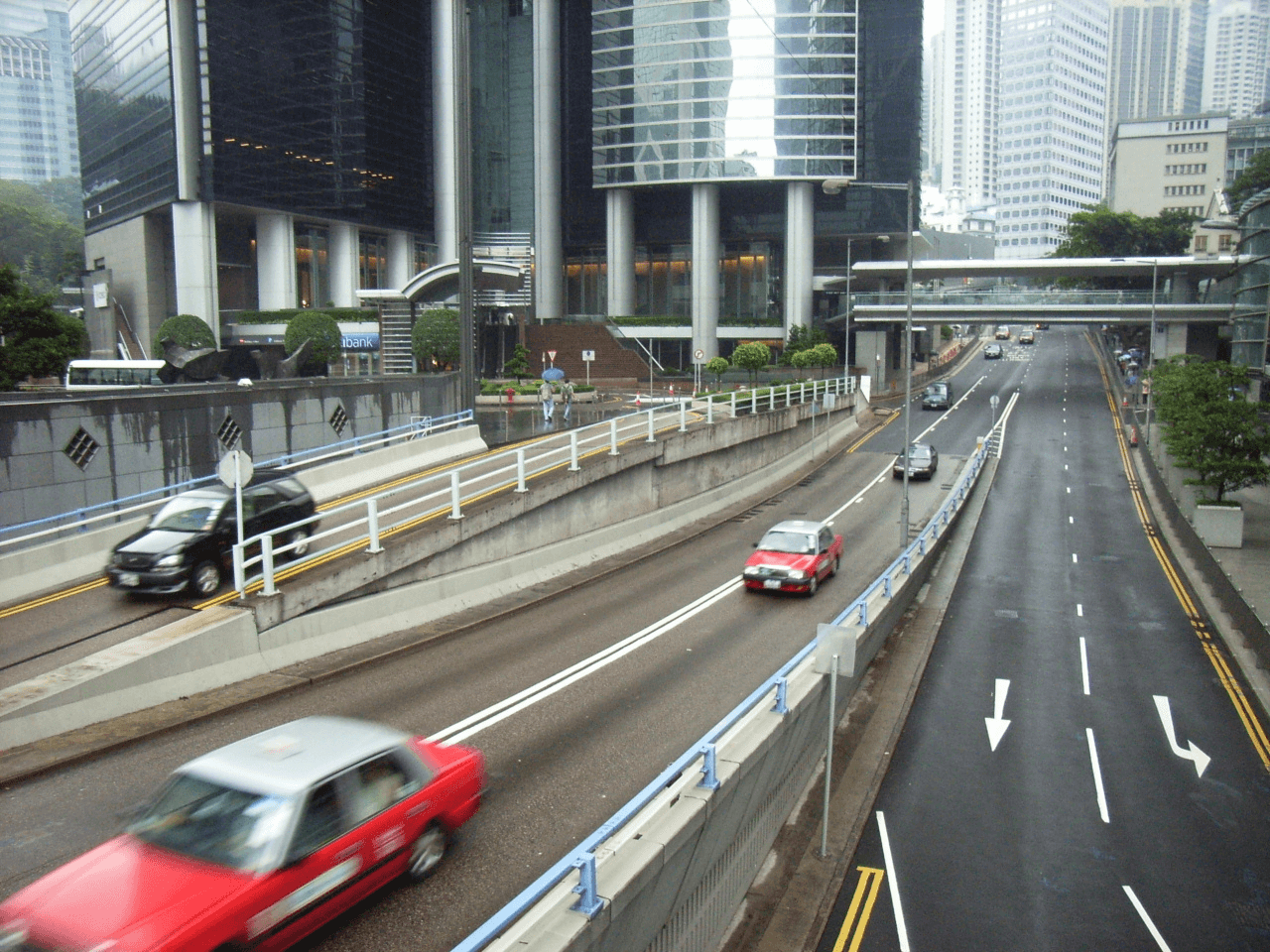
Sky Combinations
Street combinations
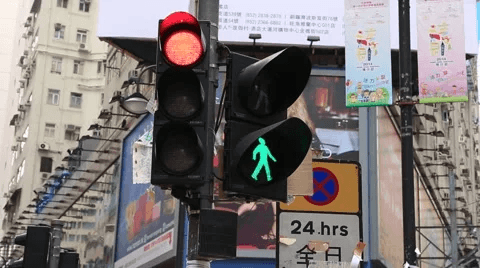
Traffic Signals combinations

Crowd
Combinations
Real-time Road and traffic data ( Microsoft Azure Maps API )
Baseline emotion before starting the drive
Combinations of
Different EXTERNAL TRAFFIC CUES

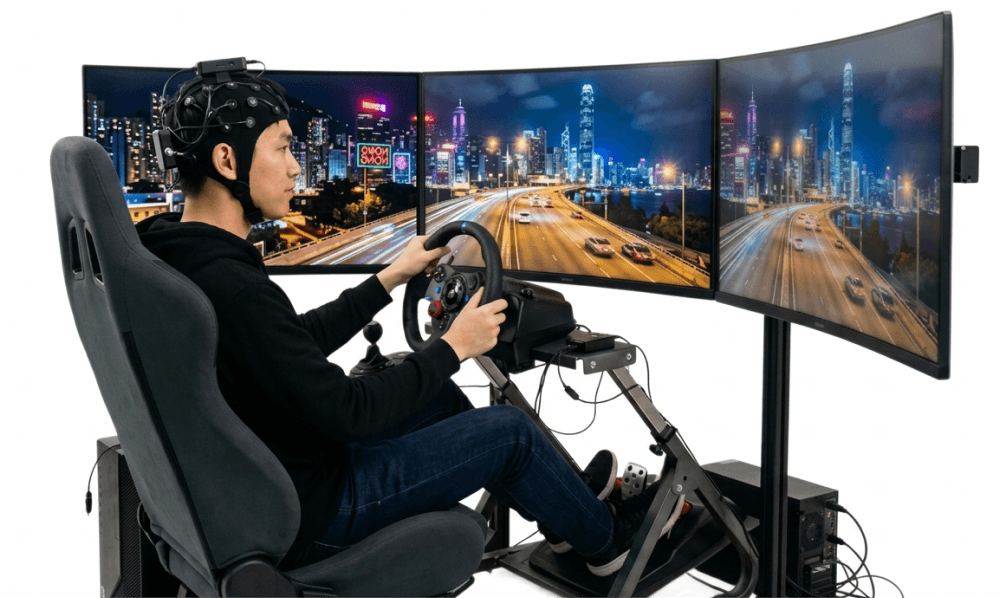
IMPACT - Testing the LLM Model in a real-world scenario
Testing the model on a random users ( Not part of the original LLM training user sample set )
KPI 01 : F1 Score ( Precision & Recall of the LLM )
Reduction in Road Rage leads to Improved reaction time and risk perception
KPI 02 : Road Rage Reduction
COMMERCIALIZATION - UI and Product Lifecycle Strategy
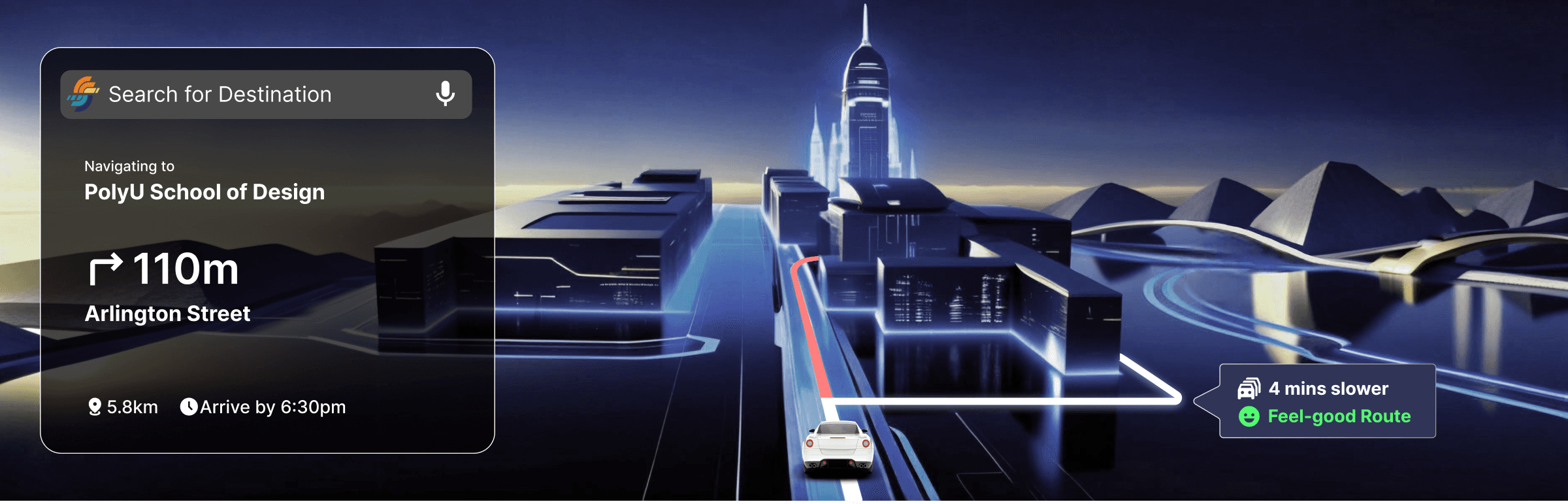
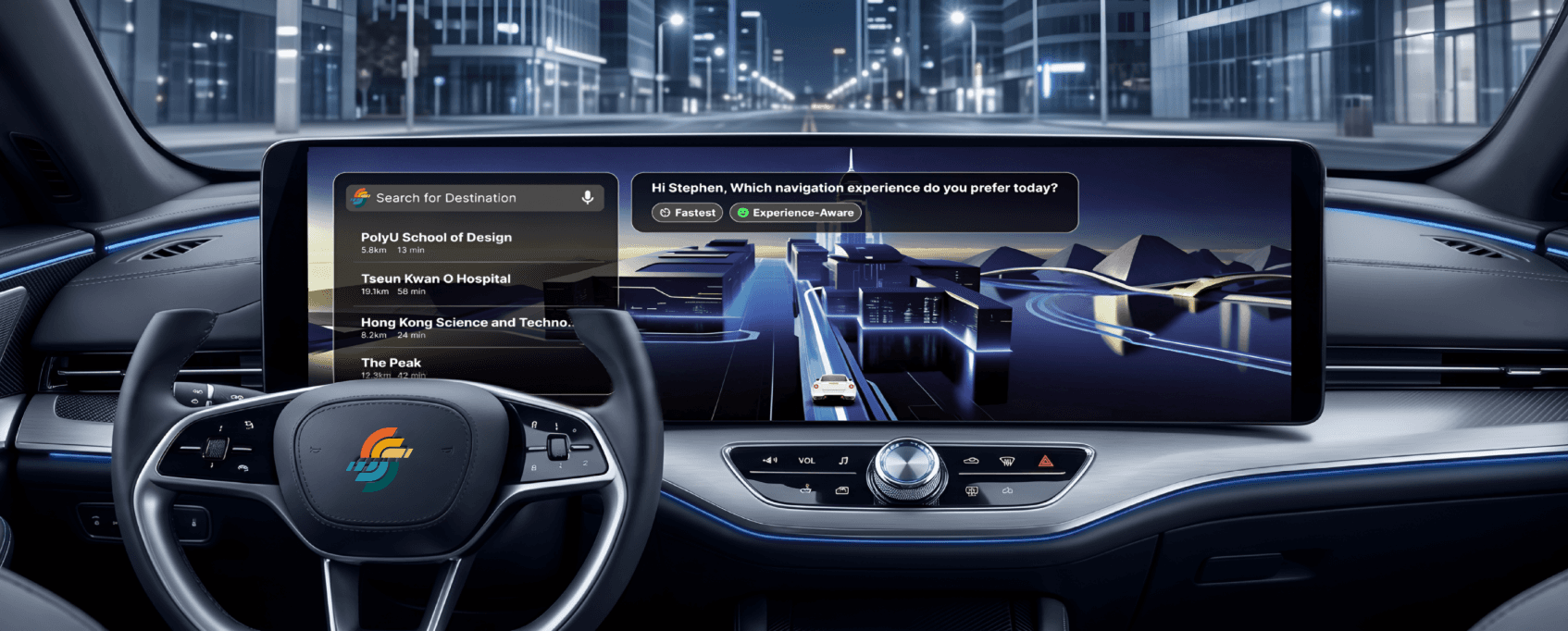
Map navigation suggests the Feel-good route according to the driver’s current / baseline emotion
Recall
The percentage of truly positive results out of everything that was actually positive (focuses on minimizing false negatives).
Precision
The percentage of truly positive results out of everything the model predicted as positive (focuses on minimizing false positives).
F1 Score
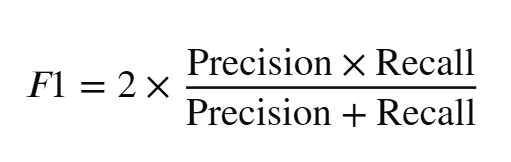
The harmonic mean of precision and recall, providing a single balanced metric when you need to weigh both evenly.
Users are offered Dual Mode Navigation Experiences : Experience aware v/s Fastest navigation
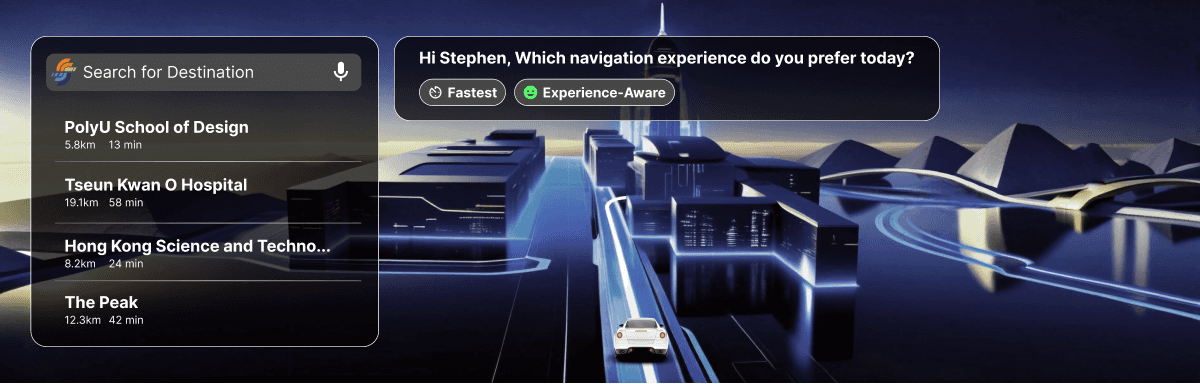
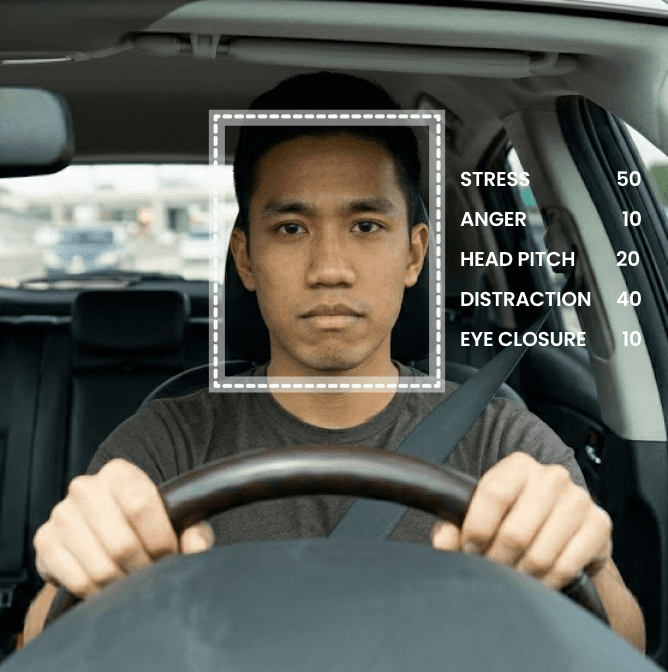
Experience Aware > Users current emotion is recorded - In-cabin camera + Steering wheel pulse